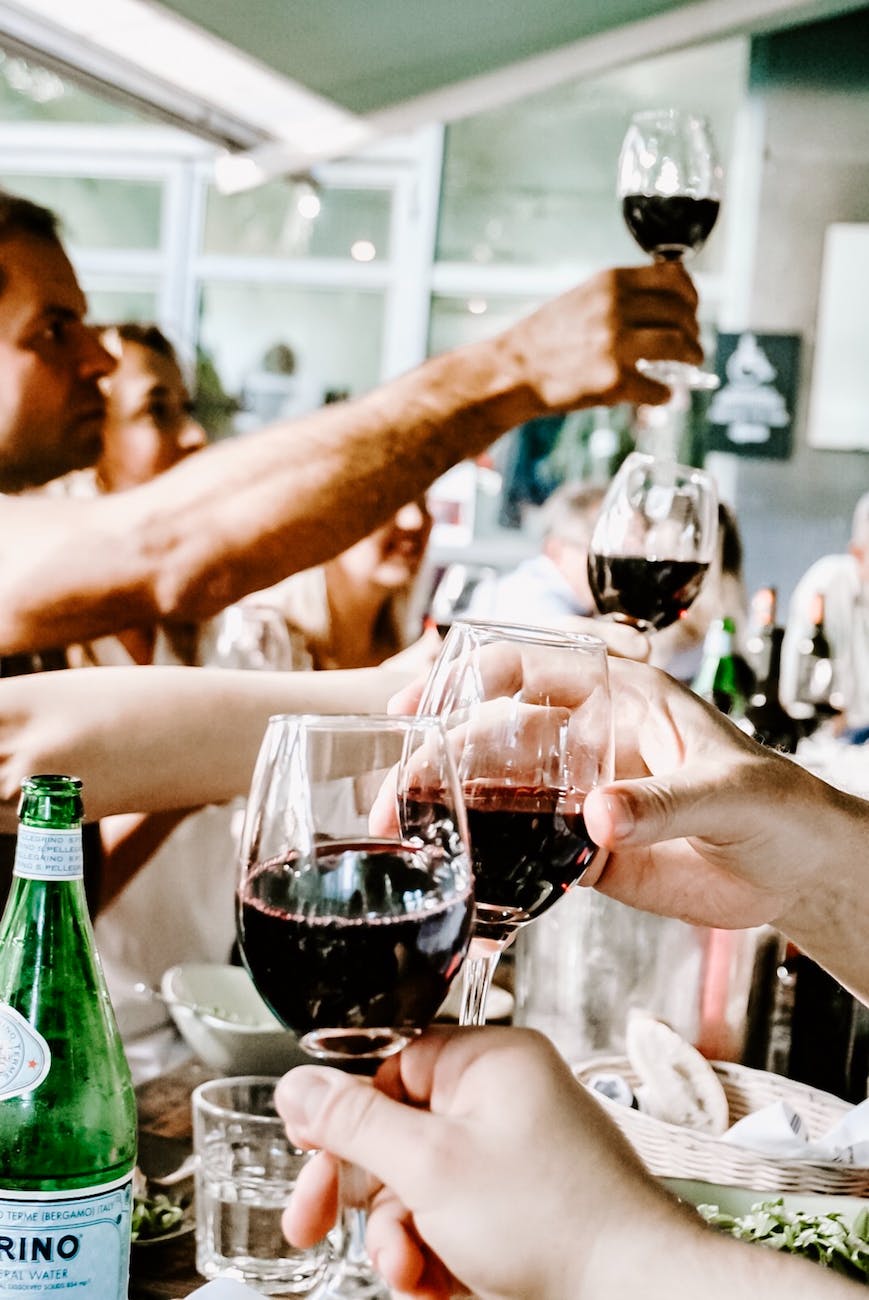
There are so many careers in the food and wine industry. You can become a food and wine copywriter, like yours truly, you can import or export wines, get into sales, become a winemaker, or even open your own winery in low-key wine regions like Los Olivos or snazzy ones like Napa Valley.
If you’re someone who loves wine, but you don’t work in the industry, the professional you’re most likely to encounter is the sommelier – also known as a wine steward.
Sommeliers have been around for almost two hundred years, but the movie Somm is what had a lot of people asking: what is a sommelier, and what do they do?
This guide answers those questions, and provides a few handy resources if you’re interested in pursuing your dream of wine certification.
What is a sommelier?
A sommelier is a trained wine professional who is certified in areas such as wine service, wine regions and native grapes, food and wine pairings, and wine storage.
Where did the word sommelier come from?

Ready for some cool wine history? “Sommelier” is related to the Old French “sommier”, which means “beast of burden”. Yikes.
That’s right, all of you somms out there. Your job title refers to the pack animals like donkeys, mules, and oxen that were once used to move things from one place to another.
Fast forward to 1829, and the word was used to describe the person in charge of schlepping provisions and managing those pack animals. The meaning of the word continued to evolve, and by the 16th century, it had taken on a new meaning. It was used in a slightly different context, one that’s much more familiar to us today.
The real game-changer happened in 1829 when the word made its debut in Paris. That’s when it was first used to describe someone with expertise in wine.
How to become a sommelier
These professionals train for years to learn the ins and outs of the world’s major wine regions, grape varieties, microclimates, and other factors that influence the taste of wine, and styles of wine. Sommelier programs also train students in table-side service techniques, which includes everything from how to open a bottle of wine for restaurant guests, to how to pour wine, and how to deal with difficult customers.
More advanced classes include methods for tasting wines, blind tastings in which the challenge is to name the grape variety, country, wine region within that country and the year of production.
These industry professionals also learn about beer, sake, and spirits if they choose the WSET path.
Some programs and courses include:
-
- WSET (Wine Spirits Education Trust)
-
- North American Sommelier Association (NASA), in Canada and the United States
A quick note about this: while most sommeliers are certified and have gone through formal training, you will also find folks that are self-taught. Years of working in the industry, a “trained” palate, knowledge of wine regions and their grapes, and knowing how to serve and store wine can lead to a career as a sommelier.
Online classes are also available.
Where do sommeliers work?

Sommeliers can be found in a variety of places, making sure you have the best wine experiences. You’ll encounter them in restaurants, hotels, cruise ships, casinos, and wineries.
But here’s a fun twist: as wine lovers seek more unique wine tasting experiences, sommeliers are venturing into unexpected territory. Major sports teams are now hiring them to up their wine game at baseball, football, and basketball games. Take, for instance, the San Francisco Giants, who recently brought in Master Sommelier Evan Goldstein to work his magic.
What does a sommelier do?
When they are down in the trenches, a typical day (and evening during food service), revolves around making the guest experience truly exceptional.
In a restaurant, duties include:
-
- Interacting with guests and recommending wines
-
- Developing wine pairings
-
- Building a restaurant’s wine list
-
- Training staff
-
- Managing a restaurant’s wine & spirits inventory
Many also develop their own side businesses, which can involve:
-
- Hosting private wine tastings
-
- Consulting on everything from Halloween wines for spooktacular boozy blowouts to high-end corporate events where event management companies might need a little more expertise to please affluent clients with discerning palates
-
- Developing strong online presences on platforms like Instagram to become wine influencers
Interacting with guests, recommending wines
This is the part of the job that most restaurant guests are familiar with. You and your guests are seated at a table, you peruse the menu, and then you embark on a journey to find the perfect bottle from the wine list.
Despite the somewhat intimidating “French-ness” of the word “sommelier”, these wine experts are well-trained in the art of knowing and suggesting wines to suit every preference and budget. Whether you’re planning to splurge $400 on a bottle or you want to stick to a more modest $40, a sommelier can skillfully steer you toward a wine that matches perfectly with your taste and budget.
Developing Wine Pairings

Creating food and wine pairings is a fine art. A dish’s flavors and textures must be balanced with specific price points to ensure the menu is profitable. Some restaurants that work with cuisines like French, Italian, or California, may also want to develop pairings that showcase a region’s food and wine together.
At very high-end restaurants that use tasting menus rather than an à la carte menu, this may include two wine pairing options: a standard wine pairing and an elevated wine pairing. Both pairings take time, effort, and talent to develop, and must encompass different grapes, vintages, and regions. For example, wine from low allocation producers like Aubert will end up on the elevated menu, and an Arnot Roberts wine may end up on the “regular” pairing list.
Some sommeliers may also add a beer or sake pairing to a dish, in addition to wine.
Their expertise may also be used by the private dining manager to create memorable food and wine pairings.
Building a restaurant’s wine list
When it comes to a restaurant’s wine list, there can be a lot of variation, depending on the city, the menu, and the crowd the restaurant attracts. There are some spots that might have a wine list that’s just one page long, while others can present entire books!
Let’s talk about fine dining first, you know, the places with all of the Michelin stars. These places take their wine lists seriously. When diners come in expecting the best of the best, the sommelier needs to be prepared with bottles that will truly wow them. But here’s the twist – they also have to cater to folks who might be trying out a Michelin-star restaurant for the very first time, and know very little about wine.
And if you’re in a city or region famous for its wine, like Napa Valley, Sonoma, or Burgundy, things get even more interesting. Visitors to these wine havens are on the hunt for those hidden gems from local winemakers, rare vintage finds that aren’t easy to come by, and of course, some well-known labels to choose from. Talk about a balancing act.
Training staff
Not every restaurant guest is a wine expert, and not every staff member is either. This is especially true in the world of fine dining, where the wine list includes wines from less-well-known wine regions like Slovenia and Croatia.
Sommeliers assist a restaurant’s servers, kitchen staff, and managers with their wine knowledge by conducting staff tastings and holding wine education workshops to improve their knowledge.
Managing a restaurant’s wine and spirits inventory
This is the most administrative part of a wine steward’s duties, and one that many wish they could delegate. Although it may not be as fun as interacting with guests and working with the head chef, it’s necessary to keep the restaurant running smoothly.
Managing a restaurant’s wine and spirits inventory includes:
-
- Stocking the cellar or wine fridge after service
-
- Ordering bottles from suppliers
-
- Tasting samples from producers
-
- Removing wines or spirits that are not selling and experimenting with new ones that might fare better
Final Thoughts
Sommeliers are an invaluable resource for restaurant guests and chefs. A great sommelier can make or break a guest’s experience, introduce them to new producers and regions, and create a truly memorable experience.
FAQs
How do you pronounce sommelier?
The correct pronunciation for sommelier is: suh·muhl·yay. You’re not alone if you think this word looks pretty tricky to pronounce. If you’re in a restaurant and don’t want to risk a mispronunciation, just ask for the wine steward.
Do sommeliers make a lot of money?
The amount of money a somm makes depends on their education level, the type of restaurant or hotel they work in, and their city. Sommeliers who are also Wine Directors will make more money than those that “work the floor”.
Master sommeliers will earn the most, but here are some general salary guidelines based on certification:
-
- Level 1: $40,000–$50,000
-
- Certified: $60,000–$70,000
-
- Mid-level: $50,000–$70,000
-
- Senior: $70,000–$100,000
-
- Head or Wine Director: $100,000–$150,000